Mosaic is one of the oldest surviving visual art forms: images or patterns created from small pieces of stone, glass, shell, ceramic, or other materials known as tesserae. Across more than 5,000 years, mosaics evolved from geometric architectural decoration into religious imagery, imperial propaganda, public art, and contemporary urban expression.
The Earliest Known Mosaics
The earliest mosaics yet discovered come from ancient Mesopotamia (modern Iraq), particularly Sumerian sites such as Uruk, dating back to 3500–3000 BC.
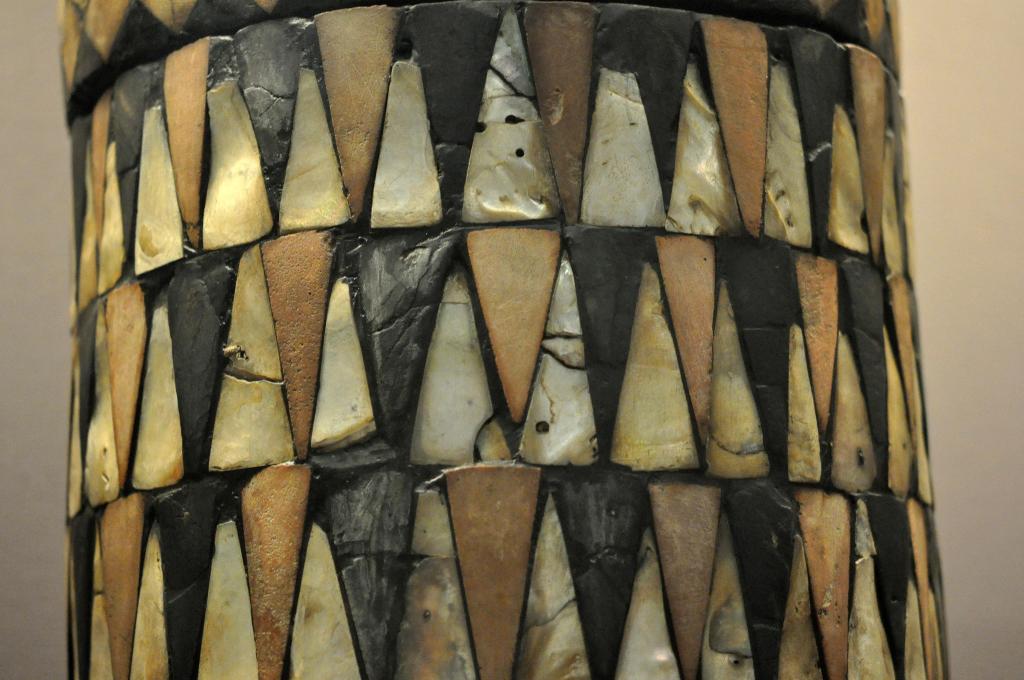
Early mosaics were not picture or image mosaics, such as those seen in Ancient Roman art, but were geometric patterns, constructed using stones, shells, ivory and clay. They were used primarily to decorate temples.
The use of mosaics spread through the Middle East, and into Ancient Greece, and during the 3rd-5th Century BC, Greek mosaicists began to become representational art – creating illusional scenes and mythological imagery.
When Mosaics spread into Italy from the 1st- 4th Century AD, the Romans enthusiastically embraced mosaics, elevating them into a major decorative art form across villas, bathhouses, temples, and public buildings.
Cut Tesserae and beautiful geometric black and white tiled floors made from marble, terracotta, limestone and coloured glass began to fill ancient buildings. Themes for mosaics included scenes from daily life, landscapes, gods, mythology, maritime scenes and hunting scenes.
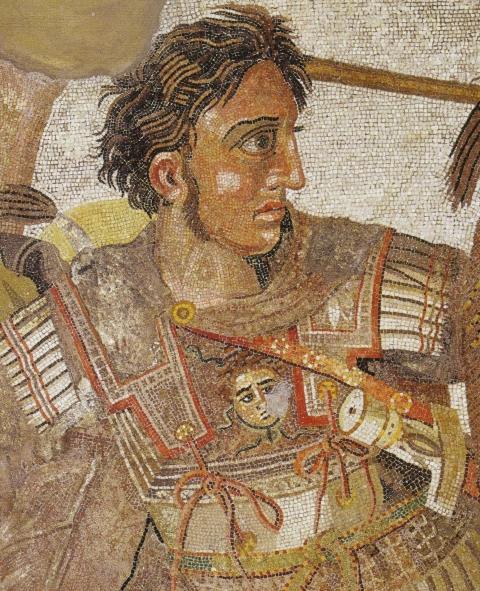
A quick visit to Fishbourne Palace, a Roman Villa near Chichester in West Sussex will show the extent and use of classical Roman mosaics.
Between the 4th and 15th Centuries AD, the use of mosaics had spread throughout Europe and the Byzantine introduced mosaics into mainstream theology and spirituality, and ancient craftsmen mosaicists perfected glass tesserae backed with gold leaf, producing interiors that shimmered in candlelight.
Islamic mosaic aesthetics strongly influenced Mediterranean and European decorative traditions
Modern mosaics may be seen in almost any environment, from the facade of a public building , to stations on the London Underground. Contemporary mosaics are often made of unlikely materials, such as industrial waste and plastics, through to mirrors and recycled glass and recovered stonework.
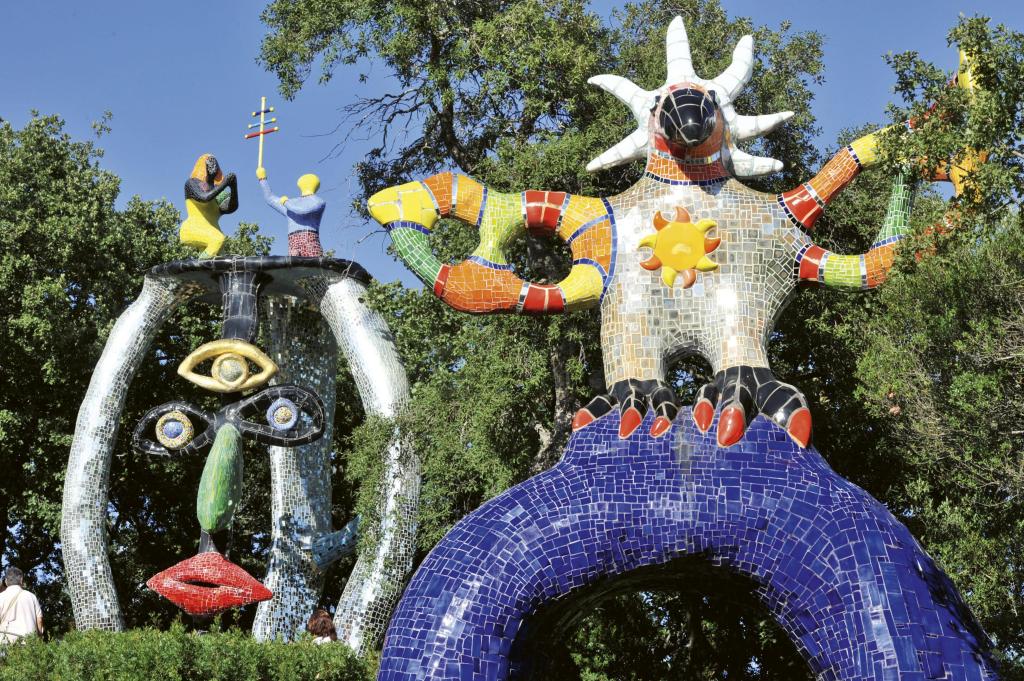
Unlike painting, mosaics physically integrate image and structure. Many survive thousands of years because stone and glass tesserae resist weathering, fire, and decay.
From Sumerian temple walls to Roman villas, Byzantine domes, Islamic palaces, and contemporary subway stations, mosaics represent one of humanity’s longest continuous artistic traditions.
And you can learn how its done by attending a workshop here at my studio.


Leave a Reply